


❋
Proper Rabbit Care
Proper Rabbit Care – A Basic Guide
Owning a rabbit is a long-term commitment that requires proper housing, nutrition, daily attention, and veterinary care. Rabbits are intelligent, social animals that need more than just a cage and food to live happy, healthy lives.
1. Proper Housing
Provide a spacious, secure enclosure that allows rabbits to stand fully upright, stretch out, hop, and move comfortably.
Give them daily exercise and supervised time outside their enclosure.
Keep their living area clean, dry, well-ventilated, and protected from extreme temperatures.
Provide solid resting areas, appropriate flooring, and comfortable bedding.
Protect them from predators, extreme heat, and dangerous weather.
2. Proper Nutrition
Unlimited grass hay: Timothy, orchard, or meadow hay should make up the majority of an adult rabbit's diet.
Quality rabbit pellets: Feed an appropriate amount of nutritionally balanced pellets based on age, breed, and weight.
Fresh water: Clean drinking water must always be available.
Fresh vegetables: Introduce rabbit-safe leafy greens gradually.
Treats: Fruits and sugary treats should only be given occasionally and in small quantities.
3. Grooming and Hygiene
Brush rabbits regularly, especially long-haired breeds that require frequent grooming.
Trim nails as needed to prevent overgrowth.
Check ears, eyes, teeth, and bottoms regularly.
Clean litter boxes and remove soiled bedding frequently.
Monitor for urine scald, sore hocks, matting, and other skin or coat problems.
4. Health and Veterinary Care
Establish a relationship with a rabbit-experienced veterinarian.
Schedule routine wellness examinations.
Monitor eating habits, drinking habits, droppings, and behavior.
Keep an eye out for dental problems, respiratory issues, parasites, and digestive concerns.
A rabbit that stops eating or producing droppings needs immediate veterinary attention because gastrointestinal stasis can become life-threatening.
Discuss appropriate spaying and neutering with your veterinarian.
5. Handling and Socialization
Always handle rabbits gently and support their hindquarters.
Never pick a rabbit up by its ears, scruff, or legs.
Allow rabbits time to become comfortable with people and their surroundings.
Provide toys, tunnels, hiding spaces, and enrichment activities.
Supervise interactions with children and other household pets.
6. Temperature and Environmental Safety
Rabbits are particularly sensitive to heat.
Keep them in a well-ventilated, temperature-controlled environment.
Avoid direct sunlight and humid, poorly ventilated spaces.
Never leave rabbits unattended outdoors without secure protection.
7. Responsible Ownership
Understand that rabbits can live approximately 8–12 years or longer.
Be prepared for ongoing expenses, including food, bedding, supplies, and veterinary care.
Research your rabbit's specific breed and its grooming, nutritional, and health requirements.
Never purchase or adopt a rabbit without being prepared to provide lifelong care.
Owning a rabbit is a long-term commitment that requires patience, knowledge, responsibility, and consistent daily care. Rabbits are intelligent, curious, and sensitive animals that deserve much more than simply being placed in a cage with food and water. They require an appropriate living environment, a balanced diet, regular grooming, veterinary attention, exercise, enrichment, and daily interaction. Depending on their breed, genetics, and overall health, domestic rabbits can live approximately 8–12 years or longer, meaning bringing a rabbit home is a commitment that should never be taken lightly. Every rabbit, regardless of its breed, size, age, or purpose, deserves to be treated with kindness and provided with everything necessary to live a comfortable and healthy life.
Providing proper housing is one of the most important parts of responsible rabbit ownership. Rabbits need spacious enclosures that allow them to stand completely upright, stretch out, turn around comfortably, and hop freely. Small cages that restrict movement are not suitable as permanent living environments. Their housing should include a comfortable resting area, appropriate flooring, a designated litter area, access to unlimited hay, fresh drinking water, and a hiding space where they can feel safe. Solid flooring is particularly important because constantly standing on wire flooring can contribute to sore hocks, pressure sores, and foot injuries. Their bedding should remain clean, dry, and free from strong fragrances or harmful chemicals. Indoor rabbits should have a secure, rabbit-proofed environment where electrical cords, toxic houseplants, and other dangerous objects are inaccessible. Outdoor rabbits require secure, weather-resistant housing that protects them from predators, insects, extreme temperatures, rain, and wind. Their enclosures must have adequate ventilation, shade, and protection from direct sunlight. Regardless of where a rabbit is housed, its environment should be inspected regularly to ensure there are no sharp edges, damaged flooring, loose wires, or other hazards that could cause injury.
Proper nutrition is essential to maintaining a rabbit's digestive health, dental health, and overall well-being. Grass hay, including Timothy, orchard grass, and meadow hay, should be available at all times because it provides the fiber necessary for healthy digestion and encourages natural chewing that helps wear down continuously growing teeth. Adult rabbits generally benefit from a high-quality, plain rabbit pellet formulated for adult maintenance, with feeding amounts adjusted according to their age, size, weight, and body condition. Growing kits, pregnant or nursing does, and underweight rabbits may have different nutritional requirements and may benefit from appropriately formulated alfalfa-based diets. Fresh, rabbit-safe leafy greens can also be introduced gradually once a rabbit is old enough and accustomed to its primary diet. Examples include romaine lettuce, green leaf lettuce, cilantro, parsley, basil, and dandelion greens. Fruits such as strawberries, blueberries, apples without seeds, and bananas should only be offered occasionally and in small quantities because of their natural sugar content. Rabbits should never be fed chocolate, bread, crackers, sugary human snacks, or foods containing ingredients that are unsafe for them. Fresh, clean drinking water must always be available and should be checked and replenished daily. Heavy ceramic bowls are often a good option because they are difficult to tip over and allow rabbits to drink comfortably. Any dietary changes should be introduced gradually, as sudden changes can upset the digestive system. Owners should also pay attention to their rabbits' appetite, weight, and droppings because these are important indicators of digestive health.
Maintaining proper cleanliness and hygiene is another essential responsibility. A rabbit's enclosure should be cleaned regularly to prevent the buildup of urine, droppings, bacteria, and unpleasant odors. Wet or soiled bedding should be removed frequently, litter boxes should be emptied and cleaned, and food and water containers should be washed regularly. Enclosure floors, resting areas, feeders, toys, and other frequently used surfaces should also receive thorough cleaning. Cleaning products must be appropriate for animal environments, and surfaces should be rinsed when required and completely dried before rabbits return to their enclosures. Grooming is equally important, although the amount of grooming required depends heavily on the rabbit's breed and coat type. Short-haired rabbits generally require regular brushing, especially during shedding seasons, while Rex rabbits benefit from gentle grooming to maintain their dense coats. Long-haired breeds, including Satin Angoras and fuzzy-coated rabbits, require significantly more attention because their fur can become tangled, matted, and difficult to maintain without frequent brushing. Nails should be inspected regularly and trimmed when necessary to prevent overgrowth, discomfort, and difficulty moving. Owners should also routinely check their rabbits' ears, eyes, teeth, skin, feet, and hindquarters for abnormalities. Particular attention should be given to the bottom and hind feet to identify urine staining, fecal buildup, skin irritation, and sore hocks. Grooming should always be performed gently, using appropriate tools and techniques to avoid damaging the coat or injuring the rabbit.
Veterinary care is an important part of keeping rabbits healthy throughout their lives. Every rabbit should have access to a veterinarian experienced in treating rabbits because their anatomy, digestive systems, and medical needs differ from those of cats and dogs. Routine wellness examinations help identify potential problems before they become serious and should include assessments of weight, body condition, teeth, eyes, ears, breathing, skin, coat, and feet. Healthy adult rabbits should generally receive at least annual wellness examinations, although older rabbits and those with existing medical concerns may need more frequent appointments. Owners should also discuss vaccination against rabbit hemorrhagic disease virus type 2, commonly known as RHDV2, with their veterinarian. This disease is extremely serious and can be fatal. Spaying and neutering should also be discussed when rabbits reach an appropriate age and are healthy enough for surgery. These procedures can prevent unwanted litters, reduce certain hormone-related behaviors, and help prevent reproductive health problems, particularly uterine disease in female rabbits. Owners must learn to recognize signs of illness because rabbits naturally hide symptoms when they are uncomfortable or sick. Changes in appetite, unusual behavior, reduced droppings, lethargy, difficulty breathing, diarrhea, excessive drooling, head tilting, and loss of balance should never be ignored. One particularly serious condition is gastrointestinal stasis, which occurs when normal digestive movement slows down or stops. A rabbit that stops eating or producing droppings requires immediate veterinary attention because this condition can become life-threatening. Waiting to see whether the rabbit improves on its own can result in dangerous complications.
Temperature control and environmental safety are also extremely important because rabbits are particularly sensitive to excessive heat. Unlike humans, rabbits cannot sweat to regulate their body temperature, making them vulnerable to overheating during hot and humid weather. Temperatures above approximately 80°F can become dangerous depending on humidity, ventilation, coat type, and the individual rabbit. Their living areas should be kept away from direct sunlight, poorly ventilated buildings, and locations where temperatures can rise quickly. Fresh drinking water should always be available, and additional cooling options, such as ceramic tiles or appropriately wrapped frozen water bottles, can provide cooler surfaces for rabbits to rest against. Signs of overheating include rapid breathing, drooling, weakness, lethargy, unusual redness of the ears, staggering, and collapse. Suspected heatstroke is a veterinary emergency and requires immediate attention. Rabbits should be moved into a cooler environment and gently cooled while veterinary care is arranged. They should never be immersed in ice-cold water. Cold weather requires attention as well, especially for outdoor rabbits. They need dry, insulated, weather-resistant shelters that protect them from wind, rain, snow, and drafts, along with access to unfrozen drinking water. Owners should regularly monitor environmental conditions rather than assuming that a rabbit is comfortable simply because it has a thick coat. Proper ventilation, protection from predators, and a safe, clean environment are necessary throughout the year.
Exercise, enrichment, and socialization are important for a rabbit's physical and emotional health. Rabbits are naturally active animals that enjoy exploring, hopping, digging, chewing, and investigating their surroundings. They should receive daily opportunities to exercise outside their primary enclosure in a secure and supervised area. Without sufficient movement and stimulation, rabbits can become bored, stressed, overweight, or develop unwanted behaviors. Providing tunnels, cardboard boxes, untreated willow toys, rabbit-safe wooden chew toys, hay-stuffed cardboard tubes, digging boxes, and foraging activities encourages natural behaviors and keeps rabbits mentally stimulated. Chewing is particularly important because rabbit teeth grow continuously, and providing unlimited hay along with appropriate chew materials helps encourage normal chewing behavior. Social interaction is equally valuable. Spending time with rabbits daily allows them to become familiar with their owners, develop trust, and become comfortable with their surroundings. However, rabbits are prey animals and can become frightened when approached suddenly or picked up incorrectly. They should always be handled gently, with one hand supporting the chest and the other supporting the hindquarters and back legs. Never pick up a rabbit by its ears, legs, or scruff, and never allow its hindquarters to dangle because struggling can cause serious spinal injuries. Children should always be supervised when interacting with rabbits, and they should be taught how to approach, pet, and handle them appropriately. Every rabbit has an individual personality, and while some enjoy being held and cuddled, others prefer sitting beside people and interacting at ground level. Respecting these differences helps build trust and creates a more positive relationship between the rabbit and its owner.
Understanding rabbit behavior and digestive health is another important part of responsible ownership. Rabbits communicate through body language, movement, and different behaviors. A rabbit that performs a binky, which is a sudden jump accompanied by twisting or kicking its feet, is often expressing excitement and happiness. Flopping onto its side can indicate that it feels comfortable and relaxed, while gentle tooth purring during petting can indicate contentment. Thumping can communicate fear or frustration, and hiding may indicate that a rabbit is seeking safety or possibly feeling unwell. Rabbits also naturally dig, chew, circle, nudge, and investigate their surroundings. Learning what is normal for each individual rabbit makes it easier to recognize when something is wrong. Litter training is another useful part of daily care because rabbits naturally tend to choose certain areas for urination and defecation. A suitable litter box should contain rabbit-safe, absorbent litter, such as paper pellets, and hay should be placed inside or directly above one end to encourage appropriate bathroom habits. Clay cat litter, clumping litter, silica crystals, and heavily scented products should be avoided. Healthy rabbit droppings are generally round, dry, relatively uniform in size, and fibrous in appearance. Rabbits also produce softer, nutrient-rich droppings called cecotropes, which they normally consume directly as an essential part of digestion. A sudden reduction in droppings, watery diarrhea, persistent uneaten soft stool, or a change in bathroom habits should be investigated. Dental health is also closely connected to digestion because rabbits have continuously growing teeth. Overgrown or misaligned teeth can cause pain, difficulty eating, drooling, weight loss, and digestive complications. Regular dental examinations and a fiber-rich diet are important for preventing and identifying these problems.
Ultimately, responsible rabbit ownership means understanding that every rabbit is an individual with its own physical, behavioral, and emotional needs. A rabbit should never be considered disposable, neglected, or treated as an animal that only requires occasional attention. Owners must be prepared to provide appropriate housing, unlimited hay, fresh water, balanced nutrition, daily exercise, regular grooming, sanitary living conditions, and access to veterinary care. They should also understand the specific needs of their rabbit's breed, including differences in coat maintenance, body condition, nutritional requirements, and potential health concerns. Whether a rabbit is kept as a beloved household pet, a show rabbit, or part of a responsible breeding program, its health, comfort, and quality of life should always come first. A healthy rabbit is not simply one that is fed and housed; it is one that is given the opportunity to feel safe, exercise natural behaviors, receive appropriate medical care, and thrive throughout its life. At Lil Buns Rabbitry, educating owners about proper care is an important part of responsible rabbit ownership because finding a rabbit a home is only the beginning of a lifelong commitment.
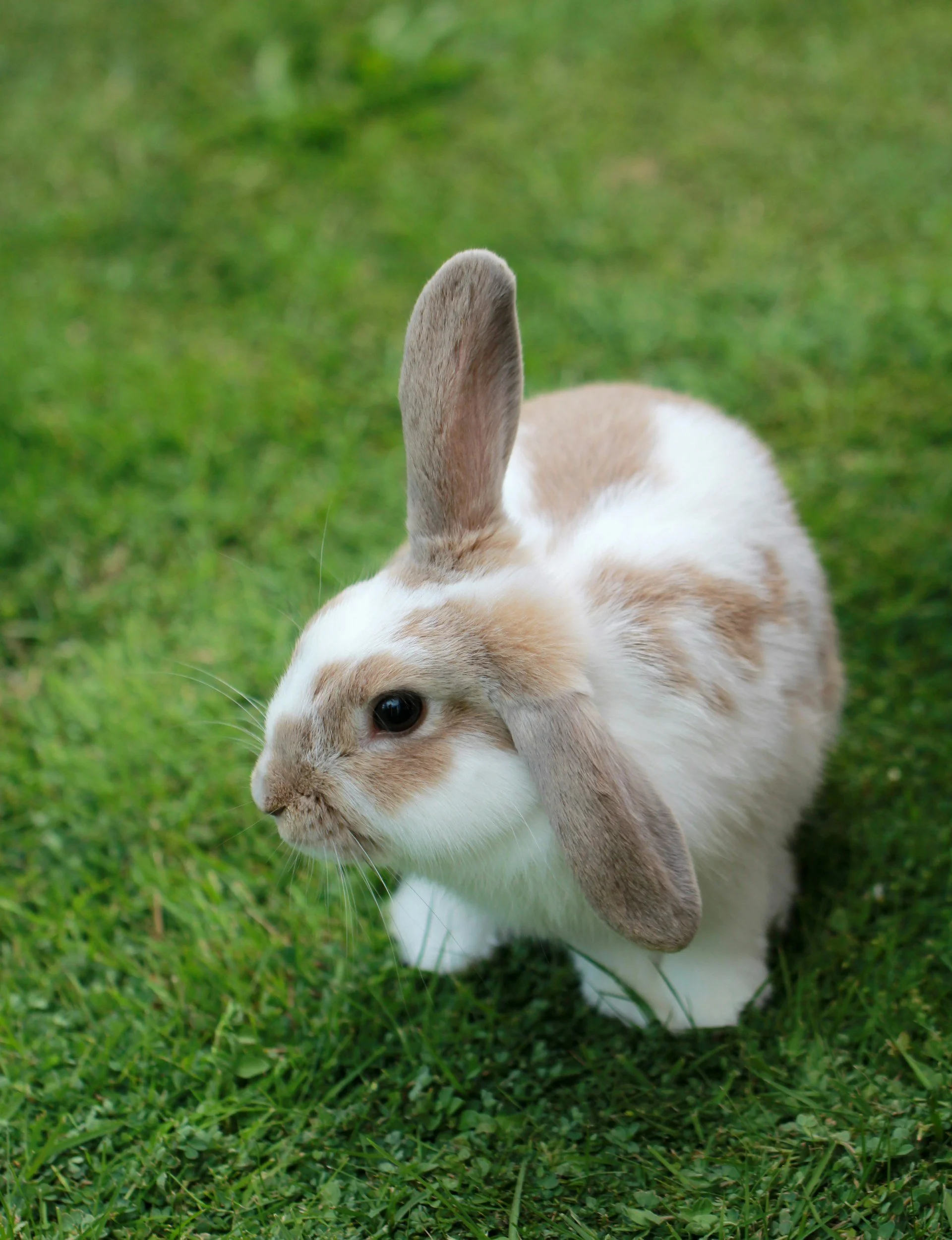
The First 3 Days – Adjusting to a New Environment
The first three days are generally the most overwhelming for a rabbit because everything around it is unfamiliar. It has been separated from its previous environment, familiar smells, surroundings, and possibly its littermates. During this time, your rabbit may seem nervous, shy, withdrawn, or hesitant to interact with you. It may spend much of its time hiding, observing its surroundings, or avoiding being handled. This is completely normal during the adjustment period. Give your rabbit plenty of time and space to become comfortable without forcing interaction or constantly picking it up. Make sure it has unlimited access to hay, fresh water, its usual pellets, a clean litter box, and a comfortable hiding place. Avoid introducing new foods or making unnecessary changes to its diet during this period. The goal is to make your rabbit feel safe and allow it to begin recognizing its new surroundings without unnecessary stress.
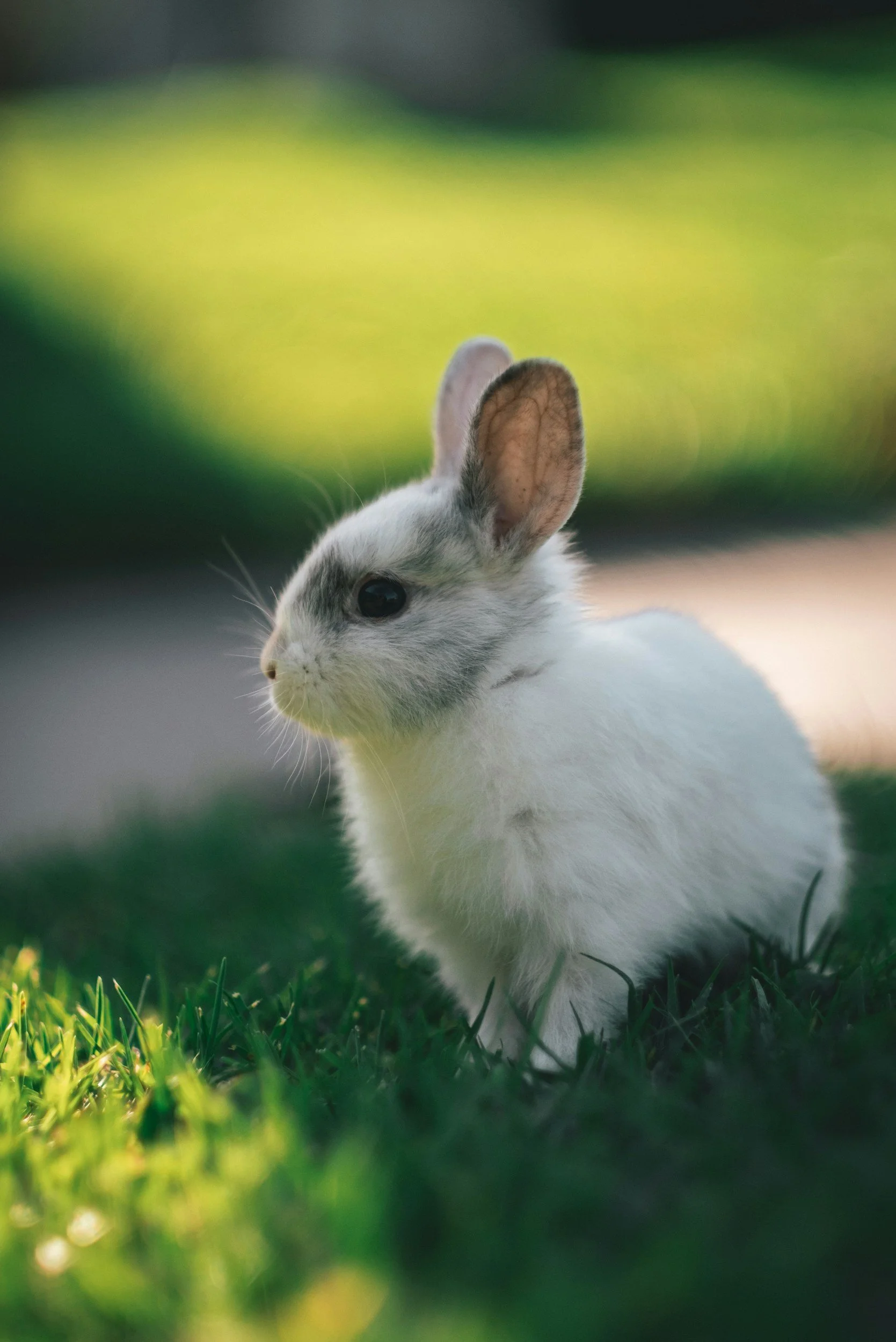
The First 3 Weeks – Building Trust and Establishing a Routine
During the first three weeks, your rabbit will generally begin becoming more familiar with its new home, surroundings, and daily routine. You may notice it becoming more comfortable exploring its enclosure, eating around you, using its litter box, and showing more interest in its surroundings. This is a good time to begin building a relationship with your rabbit by spending time nearby, speaking gently, offering appropriate treats, and allowing it to approach you voluntarily. Start introducing positive interactions and supervised exercise while continuing to respect its boundaries. Maintain a consistent feeding schedule and avoid making sudden dietary changes. Some rabbits may begin showing their personalities during this period, while others may remain shy and require additional patience. Remember that trust cannot be forced, and allowing your rabbit to approach you on its own terms will help create a more comfortable and positive relationship.
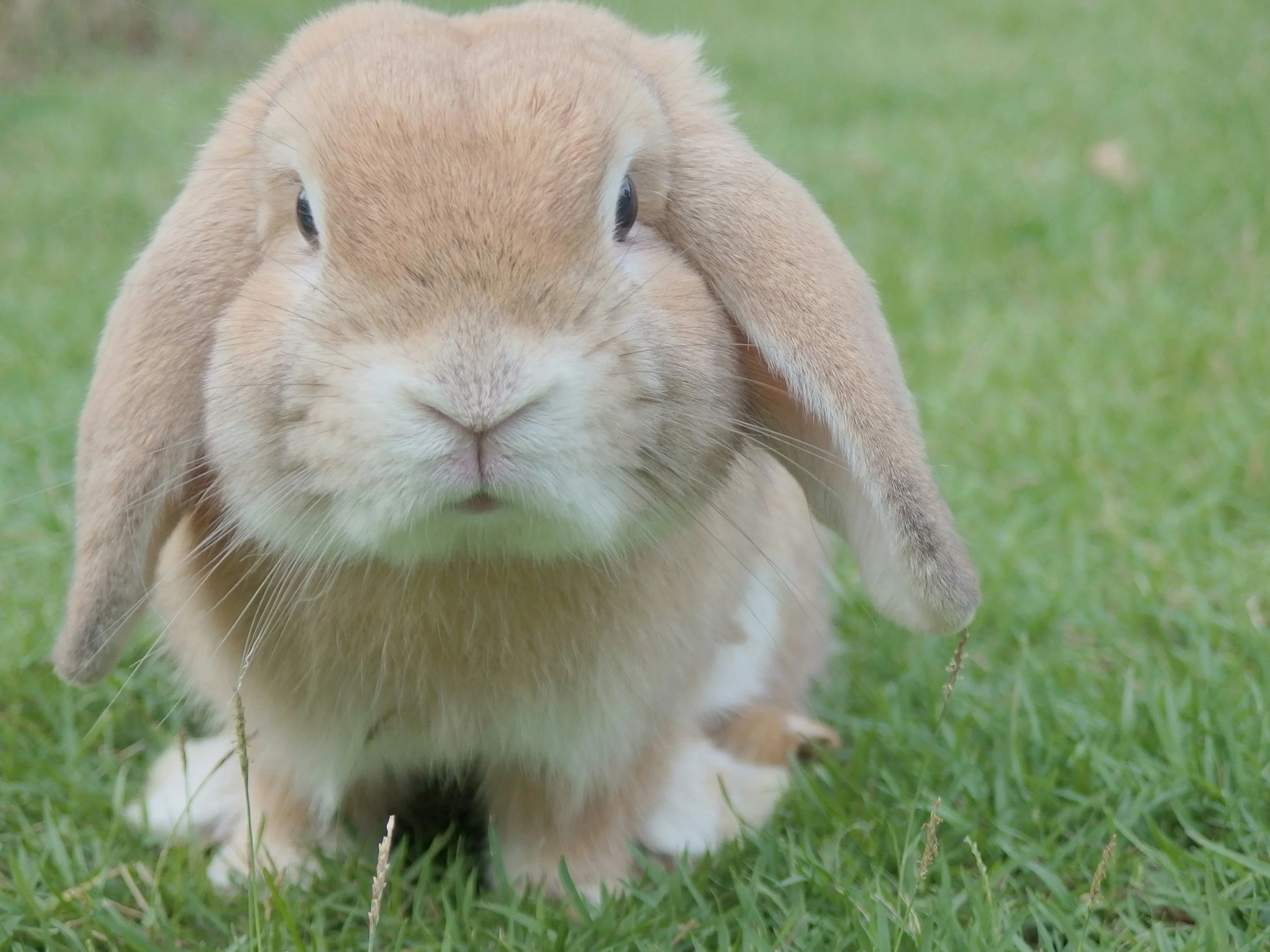
The First 3 Months – Feeling Comfortable and Settled
By the first three months, many rabbits will have become significantly more familiar with their new environment and the people caring for them. Their individual personalities may become more noticeable, and they may begin showing increased confidence, curiosity, playfulness, and affection in their own ways. Your rabbit should be developing a consistent routine around feeding, exercise, grooming, and litter box habits. This is also a good time to continue strengthening your bond through daily interaction, enrichment activities, and positive handling experiences. However, some rabbits may still need additional time before they feel completely comfortable, especially those that have experienced stressful transitions or have naturally timid personalities. Continue providing a safe, clean, and predictable environment, and never assume that a rabbit should be completely adjusted simply because three months have passed. Every rabbit is different, and the most important thing is to respect its individual personality, provide consistent care, and allow trust to develop naturally.